Industry -Tools & Equipment of Mechatronics
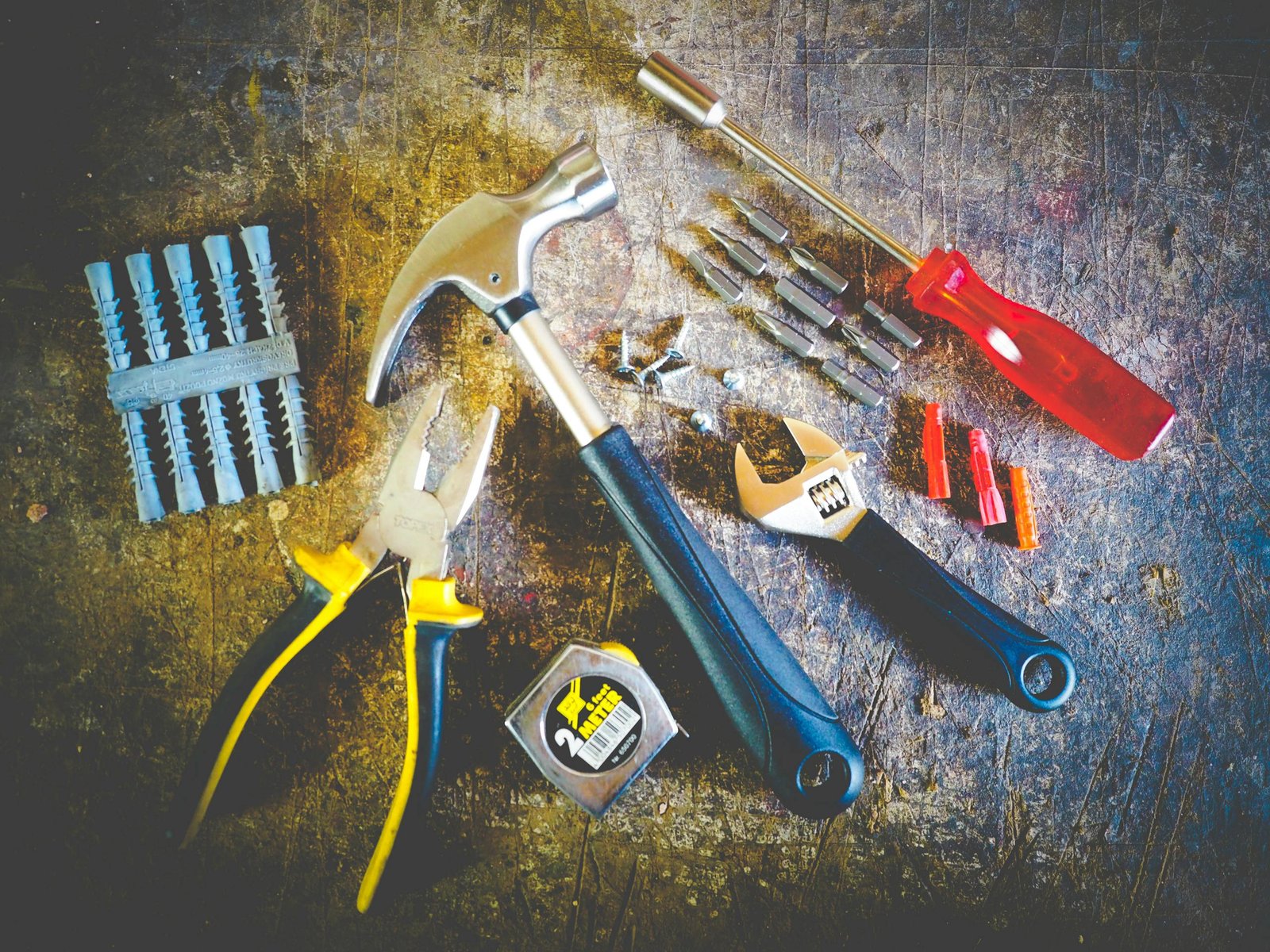
Before a machine ever hums to life, someone had to tighten the bolt that holds a panel in place, measure the spacing between components, and test the line that feeds it electricity. Tools are the language of manufacturing—each one designed to shape, measure, test, or secure the world we build. A skilled technician isn’t defined by the number of tools they own, but by how precisely they understand and use them. In this field, credibility is built one careful measurement and one correct tool choice at a time.
Understanding the Core Tools of Mechatronics
Mechatronics combines mechanical systems, electrical circuits, sensors, actuators, and basic automation. Because of this blend, the toolset required is broader than anything found in a traditional single-trade environment. Technicians move fluidly between tightening fasteners, measuring tolerances, checking continuity, and interfacing with machine controllers. In this section, learners are introduced to the foundational tools that travel with every technician on the shop floor.
Mechanical Tools:
- Wrenches, sockets, and ratchets
- Screwdrivers (flathead, Phillips, Torx)
- Pliers (needle-nose, slip-joint, locking)
- Mallets and hammers
- Allen/hex key sets
Precision Tools:
- Calipers (digital/analog)
- Micrometers
- Feeler gauges
- Torque wrenches
Electrical Testing Tools
- Multimeter (voltage, resistance, continuity)
- Clamp meter
- Continuity tester
- Test leads and probes

Machine Control Tools:
- CNC controllers
- HMIs (Human Machine Interfaces)
- Jog wheels and input panels
These tools are an overview of commonly used items in an advanced manufacturing career and not to be mistaken for an extensive list of all potential tools or guaranteed to be used tools in all career paths.
Why Tool Discipline Defines Professional Credibility
Hand tools are the oldest and most universal. Every trade uses some variation of these, and employers expect you to know them before training begins.In manufacturing, small mistakes ripple into large consequences. A bolt tightened beyond torque spec can distort a housing; a caliper used carelessly can ruin a week of parts; a multimeter set to the wrong mode can destroy a circuit or injure the user. Tool discipline—how a technician selects, handles, and cares for their equipment—is not optional. It reflects a deeper internal discipline: attention, patience, and respect for the craft.
Supervisors quickly learn which technicians can be trusted. The ones who return tools clean, recalibrate measurement devices, and double-check their settings are the ones who earn responsibility. Consistency forms a reputation long before a résumé ever gets read.
Mechanical vs. Electrical Tasks: Knowing What the Job Requires
Power tools multiply productivity but also multiply risk. Apprentices are often tested early on how well they can follow safety protocol with these.Manufacturing environments require both mechanical precision and electrical awareness. A technician may begin a shift aligning a conveyor belt and end it diagnosing a sensor failure. Mechanical tools manipulate physical parts. Electrical tools allow the technician to “see” the condition of circuits. Precision instruments bridge the two, verifying whether the mechanical work or electrical function meets specification.
Learning the boundary between these domains is essential:
- If a part needs alignment → mechanical tools
- If a part needs verification → precision tools
- If a part needs diagnosis → electrical tools
This blended awareness is what makes mechatronics a uniquely modern skill set.
Tool Care and Professional Expectations

Possessing tools is only half the equation. Employers judge you by how you treat them. Leaving tools dirty or scattered communicates irresponsibility. In many trades, apprentices who show sloppy tool habits are quickly removed from the crew. In contrast, a worker who keeps their tools organized and maintained gains trust faster than almost anything else. Skills that employers will expect you to have are as follows:
- Tool identification and correct vocabulary
- Safe handling of mechanical, electrical, and precision tools
- Interpreting readouts on calipers and multimeters
- Understanding torque, alignment, and measurement tolerance
- Selecting the right tool for the task
- Recognizing when a tool is damaged, uncalibrated, or unsafe
Care and maintenance rules are simple but essential:
- Clean After Use – Wipe dirt, oil, or debris.
- Store Properly – Keep in dry, organized spaces. Rust ruins tools faster than use.
- Sharpen and Oil – Blades should be sharp, moving parts lubricated.
- Inspect Regularly – Check for cracks, frayed cords, dull edges.
- Return Tools – A job site is not your personal workshop. Tools must be returned where they belong.
Choosing the Right Tool Every Time
Selecting the correct tool is about understanding what the task demands:
- Identify the material (metal, plastic, composite).
- Clarify the outcome (tighten, loosen, measure, test, align).
- Check the specs (torque value, measurement tolerance, voltage ranges).
- Match the tool to the level of precision needed.
- Verify the tool’s condition (no stripped bits, calibration intact, leads un-frayed).
Technicians who pause to confirm these steps prevent mistakes that cost time, money, and safety.
Safety & Maintaining Tools for Accuracy and Longevity
Tools perform only as well as they are maintained. Basic habits separate professionals from amateurs:
- Wearing Personal Protective Equipment (PPE): Hard hat, safety glasses, hearing protection, gloves, steel-toe boots.
- Clean tools after use to prevent corrosion and contamination.
- Store precision tools separately to avoid impact damage.
- Recalibrate measurement tools as required by the shop’s quality standards.
- Inspect electrical tools for damaged insulation or worn leads.
Manufacturing-Specific Starter Kits

Practical Applications
Mechatronics Technician: Diagnosing a Sensor Failure with a Multimeter
A conveyor stops unexpectedly. An entry-level mechatronics technician is asked to investigate whether a proximity sensor is sending a correct signal. Using a digital multimeter, the technician:
- switches to voltage mode
- tests the sensor’s output wire
- confirms that the sensor is receiving power but not returning a signal to the controller.
By isolating the issue, the technician prevents unnecessary part replacement and gets production moving again. This moment makes visible just how essential electrical testing tools are to modern manufacturing.
CNC Machine Operator: Verifying a Machined Part with a Caliper
A CNC operator finishes running a batch of components with a ±0.005″ tolerance. Before approving the parts, the operator uses a digital caliper to:
- measure the outer diameter of a feature
- confirm the reading against the blueprint tolerance
- document the measurement in their inspection log
This simple but critical step prevents scrap, maintains consistency across batches, and demonstrates the operator’s reliability to quality supervisors.
Industrial Machinery Mechanic: Ensuring Correct Torque on a Motor Mount
A vibration issue appears on a production line. The mechanic inspects the motor mount and suspects one of the bolts may have loosened. Using a torque wrench, they:
- check the manufacturer’s torque specification
- apply pressure until the torque wrench clicks at the correct value
- verify that all bolts match the required torque
This prevents misalignment, equipment wear, and potential breakdowns. In a field where reliability is everything, correct torque application is a signature skill.