Industry – OSHA-Compliant Safety, PPE, and Industrial Hazard Awareness
Modern manufacturing is driven by precision, automation, and efficiency — but none of that matters without safety. Before you are trusted near a CNC machine, a hydraulic press, or a robotics cell, employers need to know that you understand the systems that protect workers and maintain safe operations. OSHA training is not bureaucracy; it is the foundation of a culture where people and machines coexist without injury.
Manufacturing facilities operate under strict production timelines, and even small lapses in safety can result in downtime, equipment damage, or serious injury. Understanding OSHA standards is part of becoming a technician who is trusted not only to run machines, but to protect the team that depends on them.
The Role of OSHA in Industrial Work
The Occupational Safety and Health Administration (OSHA), created in 1970, sets federal safety standards across all major industries. While many trades rely on OSHA-10 Construction, energy technicians typically operate under OSHA 1910 — General Industry, which provides safety requirements for:
- Machine guarding requirements
- Mechanical equipment and rotating machinery
- Hazard communication (HAZCOM)
- Chemical processes
- Confined spaces
- Lockout/Tagout (LOTO) procedures
- Robotics and automation safety
- Powered industrial vehicles
OSHA’s purpose is simple: ensure that no worker loses life or limb because a hazard was ignored, misunderstood, or accepted as “part of the job.” In industrial settings, OSHA compliance is inseparable from operational reliability. A plant that fails safety fails production.
Why OSHA-10 General Industry Matters for Manufacturing Careers
Almost all advanced manufacturing employers require OSHA-10 General Industry before apprentices can operate or service equipment. OSHA-10 GI covers the hazards most relevant to modern factories, including:
- Lockout/Tagout (LOTO)
- Electrical safety and arc flash fundamentals
- Machine guarding and rotating equipment hazards
- Slip, trip, and fall prevention
- Industrial ergonomics
- Hazard Communication (HAZCOM)
- Confined space awareness
- Personal Protective Equipment
OSHA-10 GI is often a determining factor for hiring and advancement. It signals discipline, trainability, and respect for the systems you’ll eventually maintain.
Hazard Awareness on the Jobsite

Every industrial facility carries risks that demand both knowledge and judgment. Below are the core hazard categories technicians must recognize:
- Electrical & Arc Flash Hazards: Manufacturing equipment runs on high-voltage systems. Technicians must understand arc flash boundaries, energized work prohibitions, and basic lockout rules.
- Automation & Robotics Cells: Robots move with speed and force beyond human reaction time. Entering a cell without proper lockout or authorization can be fatal. Safe distances, light curtains, and sensors exist for a reason.
- Machine Guarding Hazards: Moving parts, rotating spindles, cutting tools, and pinch points require guards for a reason. Removing or bypassing guards — even “just for a moment” — is a major cause of injuries.
- Chemical & Process Hazards: Facilities often use oils, solvents, glycols, chlorine compounds, or hydrocarbons. Each has inhalation, contact, or flammability risks governed by Safety Data Sheets.
- Confined Spaces: Tanks, vaults, pits, and clarifiers may contain low oxygen levels, toxic gases, or entrapment hazards. These require permits and atmospheric testing.
- CNC & Machining Hazards: Chips, coolant spray, tool breakage, and high-speed spindles require vigilance. PPE and machine guarding prevent eye, hand, and face injuries.
- Noise Hazards: Compressors, generators, and turbines can exceed safe decibel levels, leading to permanent hearing loss if unprotected
- Slips, Trips, and Industrial Floors: Wet grating, metal walkways, and elevation changes demand situational awareness and proper footwear.
Personal Protective Equipment (PPE)
OSHA requires PPE whenever a hazard cannot be engineered out or administratively controlled. In industrial environments, standard PPE includes:
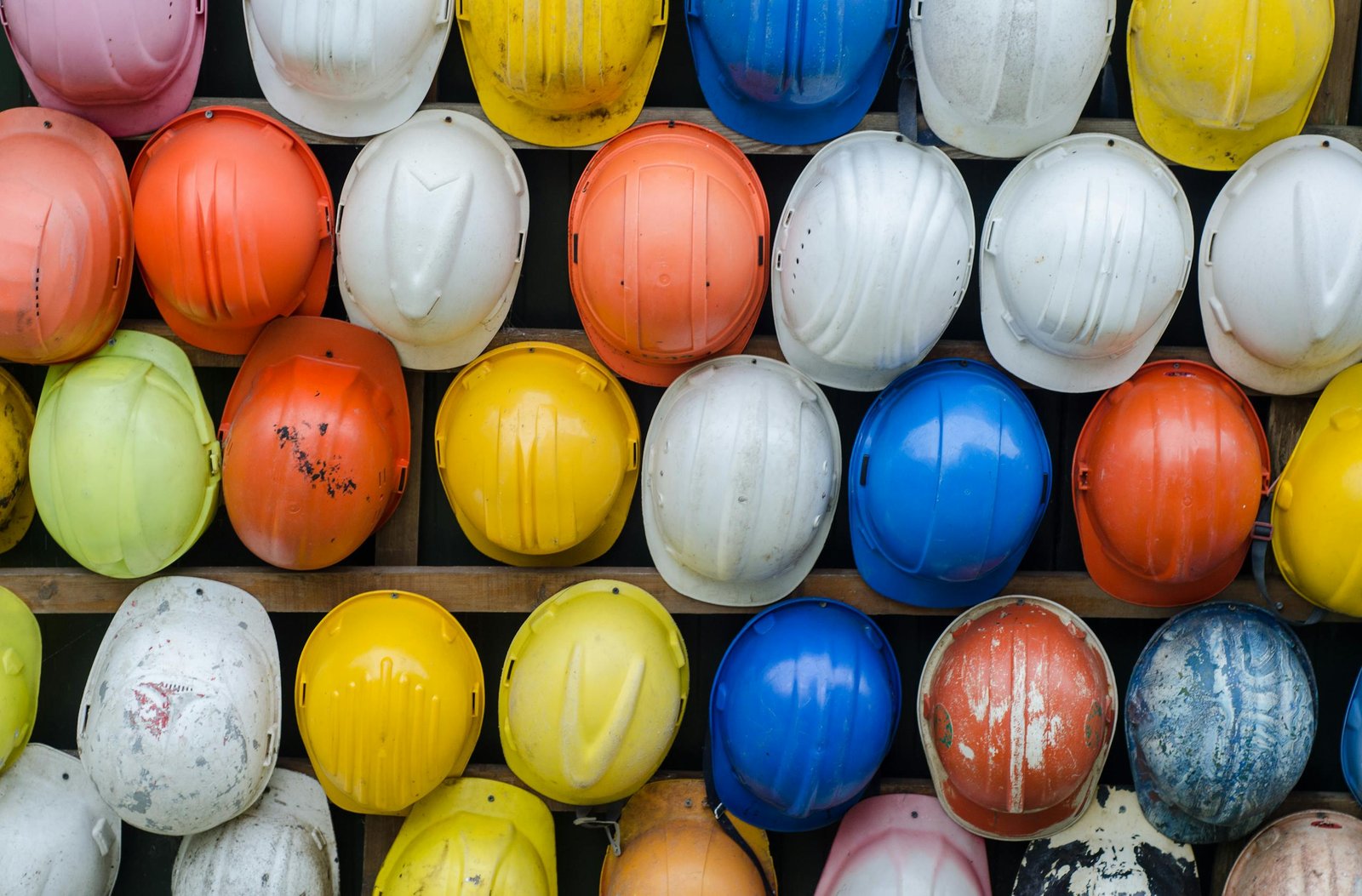
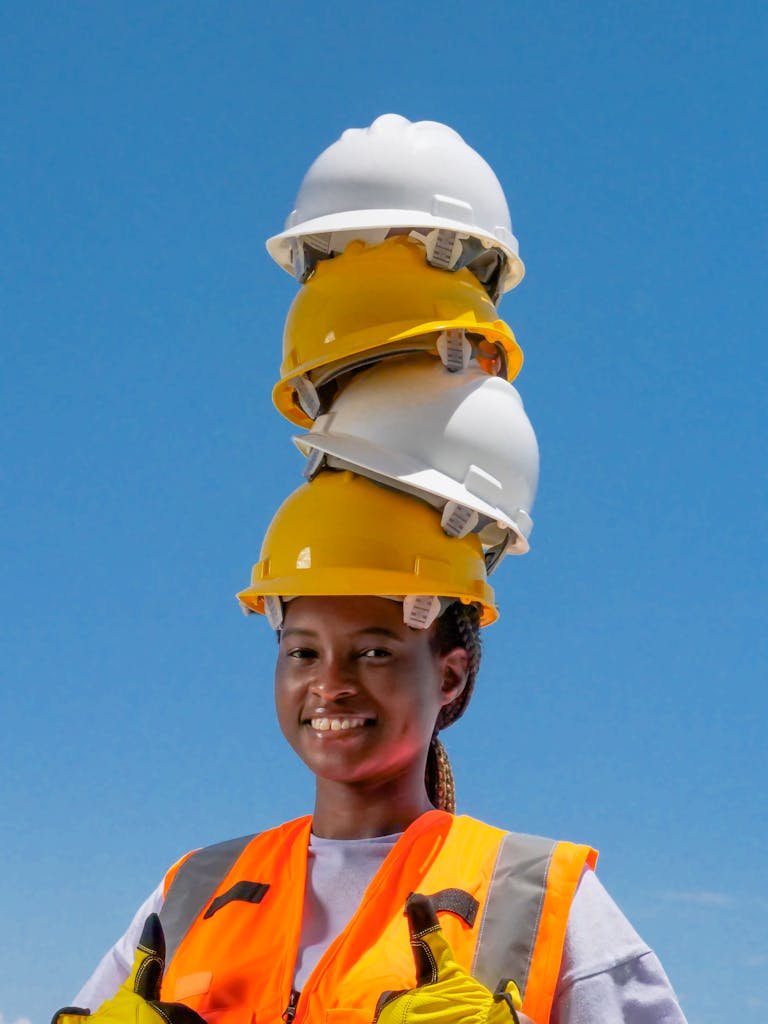
- Head protection: Hard hats to prevent injury from falling objects.
- Eye and face protection: Safety glasses, face shields, or welding helmets depending on the task.
- Hearing protection: Earplugs or earmuffs when working near loud machinery.
- Respiratory protection: Masks or respirators when cutting wood, welding, or working with chemicals.
- Hand protection: Gloves suited to the task (cut-resistant, insulated, heat-resistant).
- Foot protection: Steel-toe or composite-toe boots to prevent crushing or puncture injuries.
- Aprons or Protective Clothing: Used in machining, welding, or chemical-handling processes.
A professional doesn’t wear PPE because OSHA says so. They wear it because one small slip is all it takes to end a career — or a life.
The OSHA-10 General Industry Pathway
For this program, we recommend every learner completes their OSHA-10 General Industry program as soon as possible. The process is straightforward:
- Enroll through an authorized OSHA training provider.
- Complete the ten hours of modules across several sessions.
- Pass the final assessment to demonstrate understanding.
- Receive your OSHA-10 GI card, recognized nationally and valid for life in most states.
Completing this credential now ensures you are prepared for interviews, plant tours, apprenticeships, and the higher expectations of industrial employers.
Transition to Apply & Reflect
In the Apply & Reflect assignment, you’ll begin enrolling in your OSHA-10 General Industry course. This is your first step into the safety culture of advanced manufacturing — a culture where people and machines work together in environments shaped by precision, discipline, and mutual responsibility.